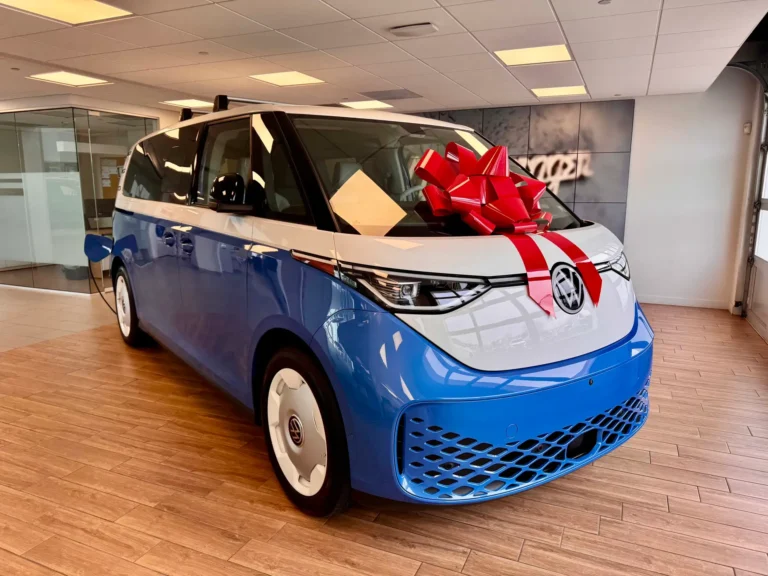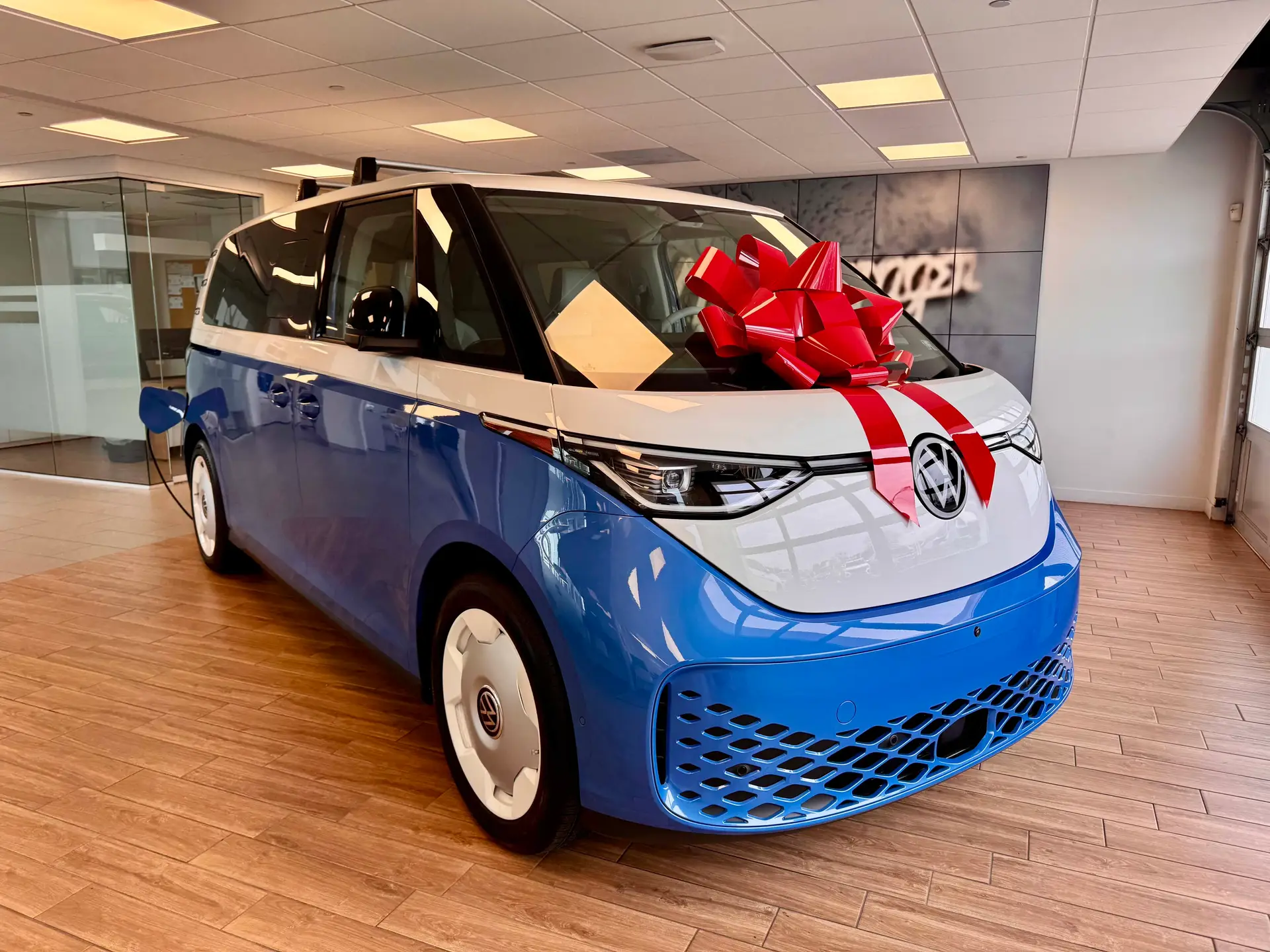

High prices and slow sales could have doomed the Volkswagen ID. Buzz before it could really even get going.
Love or hate electric vehicles, VW’s ID.Buzz was certainly one of the more interesting options on the market. It’s quirky and it’s fun, and I had folks consistently asking questions about it any time I parked or pulled up to a charging station when we had our most recent example for review. Now, though, the electric take on the classic Microbus is in doubt, as Volkswagen has pulled it from contention for the 2026 model year in the US and Canada.
The automaker did officially confirm that bit of news, after dealers told their customers it wouldn’t be on the menu for the upcoming year. It has not technically been discontinued (yet), but if you read between the lines of VW’s statement…well, it certainly seems like the company at least just soft canceled it.
“Following a careful assessment of current EV market conditions,” the company told media outlets, “we have made the strategic decision not to move forward with MY26 ID. Buzz production for the U.S. market.” Sounds familiar over the past few months, doesn’t it?

Take a look at existing ID. Buzz stock, and you’ll see why VW and its dealers aren’t too keen to keep it rolling.
To be clear, Volkswagen of America did not make the decision to outright scrap the ID. Buzz from the US and Canada. Officially, it’s just hitting the pause button until at least 2027. That model year, VW contends, may mark a “transition” for the Buzz, though we don’t have any information for what that means just yet.
There’s a more immediate problem driving that decision to at least hit the pause button, however. Broadly speaking, the entire EV market is reeling from the loss of the federal EV tax credit at the end of September, which was a boon to sales to those interested in taking the plunge. With the incentive gone, automakers are just as often as not putting cash on the hood themselves to move units…and VW dealers are advertising that with the ID. Buzz. Just looking at our local VW dealer, as a cursory example, yields a Pro S model with more than $15,000 in discounts from MSRP.


And why do dealers have to discount the ID. Buzz units so heavily? Why, that’s because pricing has been the key issue for this funky electric van from the start. At $47,000 or so, it’s a roomy and practical family hauler that still isn’t cheap, but at least it’s somewhat more affordable. At more than $62,000…it’s an entirely different conversation we’re having.
When or if the 2027 Volkswagen ID. Buzz does make its return, the automaker may bring some different ideas to the table, both on what the Buzz itself is, and how much it will cost. That’s essentially what needs to happen for this long-hyped model to find a stable customer base. If we’re just looking at the same van again after a production gap, it’s likely we’ll just be right back in the same situation, with dealers needing to discount Buzzes by $15-20K before they’ll sell (at a loss).
About the Author