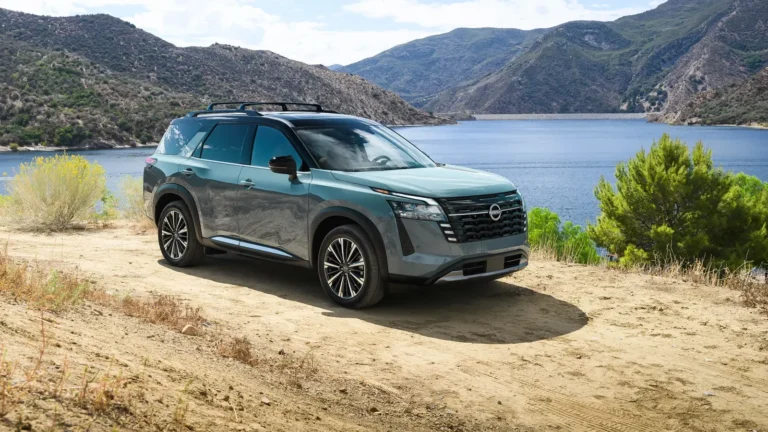
Some 2025 Nissan Sentra cars may have visible air bubbles inside the windshield.
A new safety recall is underway for 41,797 Nissan Sentra sedans for a potential manufacturing defect within the windshield area. According to what the automaker told the National Highway Traffic Safety Administration (NHTSA), some cars may have air bubbles in the laminate layer (between the two panes of glass) of the front windshield. Those bubbles may impair driver visibility, creating a potential safety issue and putting those cars out of compliance with federal regulations.
Impacted Nissan Sentra models were built between July 5, 2025 and October 17, 2025. The issue only affects Model Year 2025 cars, and does not include any other Nissan or Infiniti model.
During an audit in late August, a Nissan technician at the automaker’s Aguascalientes, Mexico plant identified bubbles between the two sheets of glass and the Polyvinyl Butyral (PVB) film of the windshield on one Sentra unit. The resulting investigation determined a misalignment of “locator pins” within the front windshield glass molds as the culprit, and that misalignment can cause uneven pressure distribution that can inhibit air between the glass panes from properly escaping during assembly.
The fix is expectedly straightforward
According to the NHTSA recall report, as many as 2.2% of the recall population (or about 920 cars) may actually have a defective front windshield. At this point, Nissan says it is not aware of any warranty claims, accidents or injuries related to the issue.
Affected owners will be asked to take their Sentras to their local dealer. If technicians find air bubbles upon their inspection, they will replace the windshield (about a 2.5 hour job) free of charge.
Dealers were notified of the problem on November 21, though owner notifications will not go out in the mail until January 15, 2026. However, you can check the NHTSA’s recall website or Nissan’s recall website with their VIN to see if your car is included in the recall. Again, early 2025 units built before July 5 and late units built after October 17 shouldn’t be impacted, so it is worth double-checking.
About the Author