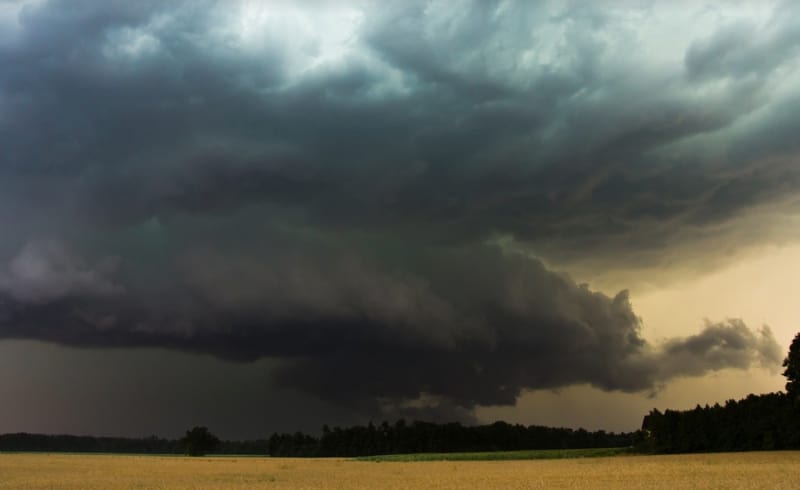
According to a survey commissioned by reinsurance MGA Demex, insurance company executives consider severe convective storms (SCS) to be the top peril in terms of balance-sheet impact, underscoring aggregate loss coverage for working-layer property risks as a viable solution for transferring this exposure.
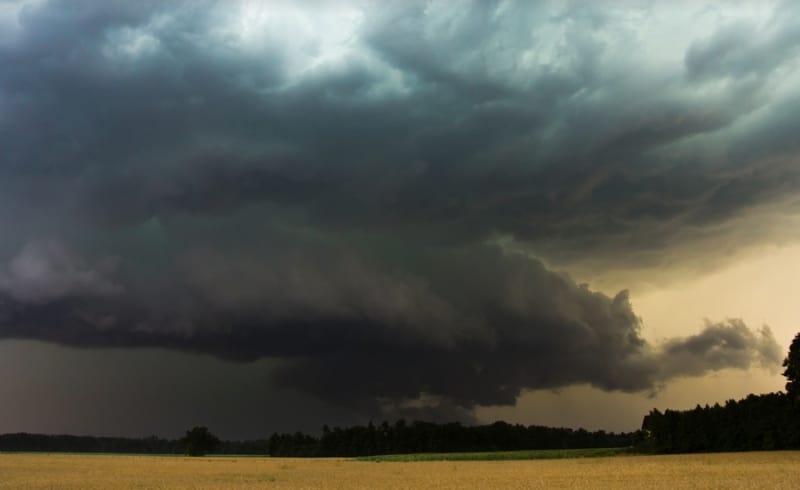
“Asked to rank perils that most impact their company’s annual earnings after reinsurance recoveries, respondents listed SCS at the top, followed by: fire, other than wildfire; natural catastrophes such as hurricanes and tropical storms; wildfire; and flood,” Demex explained.
Notably, 87% of survey respondents were significantly, or somewhat, concerned over future SCS losses.
Demex said that, with reinsurers maintaining high attachment points, primary insurers will continue to absorb substantial losses from frequent SCS events if they rely solely on traditional reinsurance.
Respondents from NAMIC and APCIA reportedly indicated that such traditional treaties remain their primary risk-transfer option for SCS losses.
Demex noted that most severe convective storm losses do not trigger catastrophe reinsurance programs for each individual occurrence.
“That means SCS claims tend to hit insurance companies’ working-layer and 100% of losses are retained,” the firm observed.
With this in mind, Demex highlighted aggregate loss coverage for working-layer property risks as a viable solution for transferring SCS risk.
The firm added, “This coverage has been difficult to obtain in the global reinsurance marketplace, and what aggregate cover remains available is expensive relative to other forms of risk transfer.
“However, 63% of survey respondents said their companies would or may buy aggregate loss coverage for working-layer risks.
“37% said their companies would not buy it. Almost half of NAMIC attendees stated they were, or may be, investigating working-layer aggregate reinsurance for accumulated SCS losses.”
Demex concluded, “SCS is the number one peril that most impacts carriers’ annual earnings. Given the disconnect between this and the limited use of risk transfer options outside traditional reinsurance, it is clear that carriers are faced with few options.
“However, it is encouraging that there is innovation happening in the space, including aggregate working-layer reinsurance solutions, such as that offered by Demex.”
Matt Coleman, Chief Risk Officer of Demex, stated, “Severe convective storms continue to hit the revenue and balance sheets of primary carriers hard.
“However, it does appear there is either a reluctance to utilise, or a lack of awareness of, the risk transfer options that sit below carriers’ cat treaties to protect them from accumulated convective storm losses. There are solutions out there, and Demex is proud to be leading the innovation in this space.”

About the Author