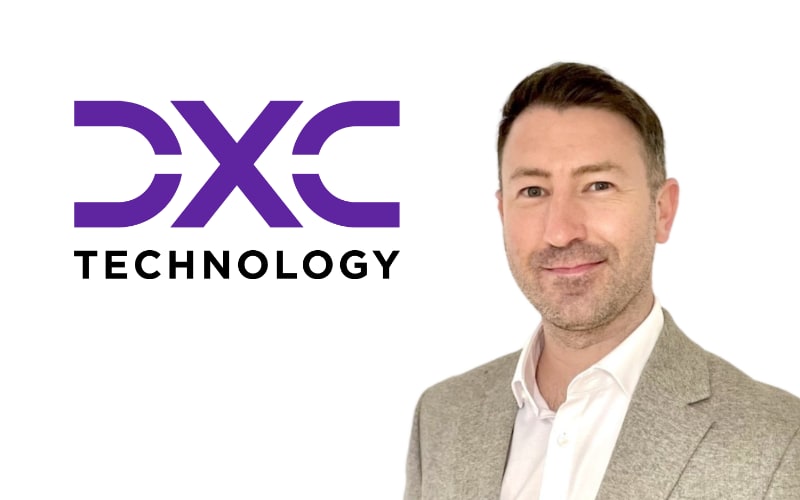
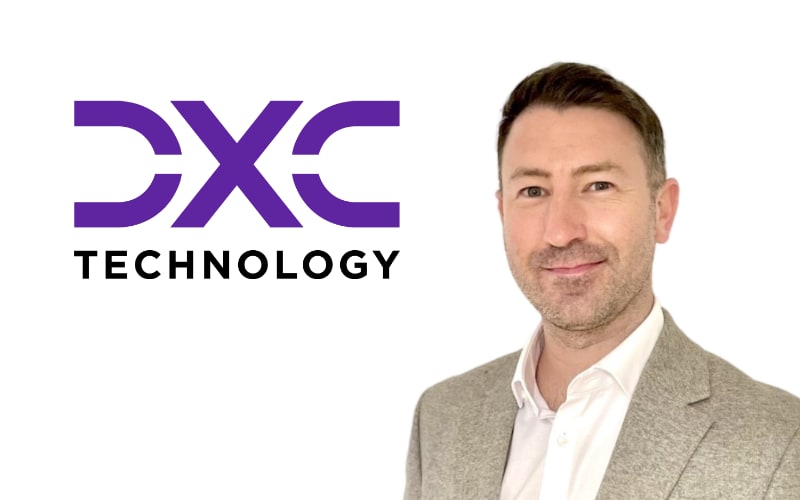
James Mahon, Reinsurance Pre-Sales Lead at DXC Technology, said that softening rates, abundant capital, and strategic repositioning are setting the stage for 2026 to be a defining year for reinsurance mergers and acquisitions (M&A).
He said, “Brokers, insurers, MGAs and syndicates have undergone extensive consolidation, fundamentally reshaping the reinsurance marketplace. Against this backdrop, (re)insurers must prepare for operational upheaval.
“Each M&A deal has the potential to reshape the entire lifecycle of reinsurance contracts– altering terms and conditions, redirecting claims and accounting flows, and forcing existing processes to be realigned with new structures.”
Mahon noted that re/insurers are no longer simply processing contracts but continuously adapting and rebuilding them. For organisations still relying on spreadsheets and legacy systems, this creates significant operational risk.
He outlined some of the most pressing challenges: “Reinsurance contacts often contain partner-specific terms and conditions, particularly with facultative agreements, such as change-of-control clauses that can trigger the right to terminate a contract or re-negotiate pricing and terms after an M&A event. These clauses are often legally binding, making it critical for (re)insurers to quickly identify affect contracts and take action. When operations are managed manually across disparate systems, this visibility is hard to achieve, leading to missed updates and processing delays.
“Because reinsurance is an ongoing chain of protection, any shift in placement shares caused by M&A can disrupt the entire flow from cedent to retrocessionaire. Maintaining transparency and consistency across multiple contracts and layers is essential to keep operations stable and uninterrupted.”
Mahon also pointed out that M&A deals affect more than contracts—they impact workflows, stakeholder communications, and key partner data such as contacts and bank details.
He explained, “In manual environments, these updates are easily overlooked, causing misdirected payments, unreconciled balances, process failures, and ultimately claims leakage that can result in major revenue loss.
“With consolidation expected to accelerate in the coming 12–18 months, these risks are no longer hypothetical. They have become pressing operational challenges demanding immediate attention.”
On accounting challenges, Mahon said, “A single M&A deal can impact thousands — even millions — of reinsurance contracts and related accounting transactions. For (re)insurers relying on manual processes, this often means updating records one by one, leading to overlooked changes and lengthy, cumbersome processes.”
To maintain accuracy, consistency, and speed, Mahon emphasised that a solution supporting bulk updates to multiple entries is essential.
“But bulk updates alone aren’t enough,” he added. “M&A rarely affects every contract in the same way—there are always exclusions, exceptions, and varying effective dates. Some records require backdated adjustments, even to closed accounting periods. Without a flexible solution that allows criteria, filters, and date-specific updates, (re)insurers risk miscalculations and corrupted data.
“Liability treatment adds further complexity. Legacy books of business may shift into run-off, requiring accounting updates but leaving ultimate responsibility with the original entity. More often, portfolios are fully transferred under a novation, shifting all liabilities—current, future, and backdated—to the acquiring partner. These transfers can involve changes to banking details, processing dates, currencies, or exchange rates. Without automation to manage this scale of change, reinsurance operations and accounting are exposed to significant risk.”
Mahon also stressed that following an M&A deal, re/insurers face the challenge of maintaining compliance with both internal governance and external regulatory requirements. Ownership changes trigger new obligations, requiring partner due diligence such as credit rating checks, collateral recalculations, sanctions screening, and solvency assessments. He noted that without automated integrations to support these processes, re/insurers face heightened exposure to compliance failures.
He continued, “Equally important is maintaining a complete audit trail. With so many changes across partners, contracts, and accounting entries, (re)insurers need clear records of what was changed, who made the change, when it occurred, and why. Without this transparency, root-cause analysis and internal risk controls become nearly impossible.
“Data visibility is another critical requirement. Post-M&A, (re)insurers must generate reports for regulators and boards, ranging from Solvency II and Schedule F to Lloyd’s and DORA. To be accurate, these reports must align with underlying contract and accounting data, and they often need filters by entity, effective period or contract type. Manual processes across fragmented systems cannot deliver the speed, flexibility or sophistication required. Automation is the only way to sustain compliance in a rapidly consolidating market.”
Looking ahead to 2026, Mahon said the pace of change for re/insurers will be faster and more disruptive than in previous cycles. “Manual processes and legacy systems simply cannot absorb that level of complexity without exposing organisations to financial and compliance risk,” he said.
He emphasised that automation is essential to protect business continuity and limit disruption across the reinsurance chain. Modern solutions, he noted, must support bulk updates with flexible criteria and exclusions, provide robust partner and credit control features, and integrate directly with external credit rating and collateral sources to ensure accuracy, speed, and efficiency at every stage of the post-M&A process.
“By embracing modern, automated solutions today, (re)insurers will not only keep up with the pace of M&A but also position themselves to thrive as the scale and impact of consolidation continues to grow. Automation is no longer optional: It is the foundation of resilience and competitiveness in today’s M&A-heavy market,” he concluded.

About the Author